
Understanding care
Ask how treatment notes can be corrected when a detail is wrong
Request a factual correction to treatment records clearly, distinguish it from a clinical disagreement, and keep a copy of the service’s response.

Room for the next manageable step.
Request a factual correction to treatment records clearly, distinguish it from a clinical disagreement, and keep a copy of the service’s response.

Plan practical cover for caring responsibilities so a treatment appointment has enough time for travel, discussion and the return home.

Make room for grief in a recovery conversation by describing the loss, changes in daily life and the support you need without forcing a timetable for grieving.

Clarify what an attendance letter needs to confirm, who will receive it and how the care provider will prepare it without adding unnecessary personal detail.

Understand why stopping alcohol can require medical planning, what to tell a clinician and which severe symptoms need emergency help.

Ask how addiction care will address a young person’s development, school, family involvement and privacy instead of copying an adult programme.

A substance-use assessment considers symptoms, impact and time. Learn why a single incident or an informal label cannot replace clinical evaluation.

Understand why benzodiazepines should not be stopped abruptly and how to prepare a useful conversation with the prescriber.
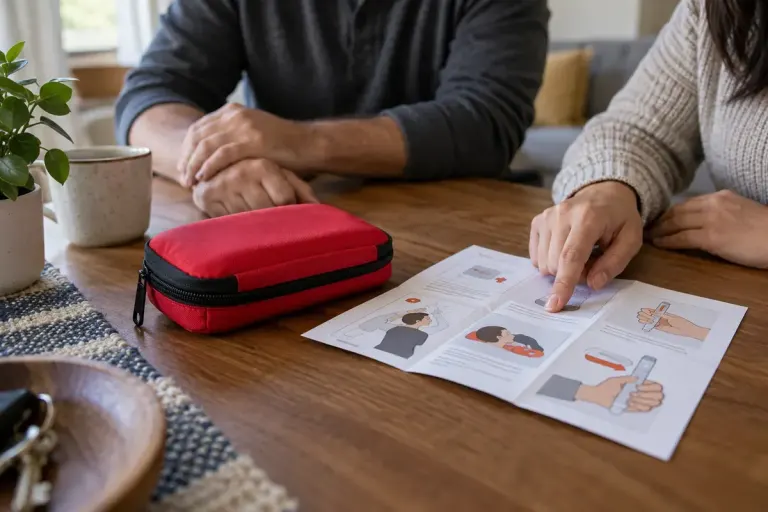
Check a naloxone kit’s expiry, packaging, storage instructions, and replacement plan before an emergency makes those details urgent.